
What Are We Asking Our Bodies to Handle Every Day?
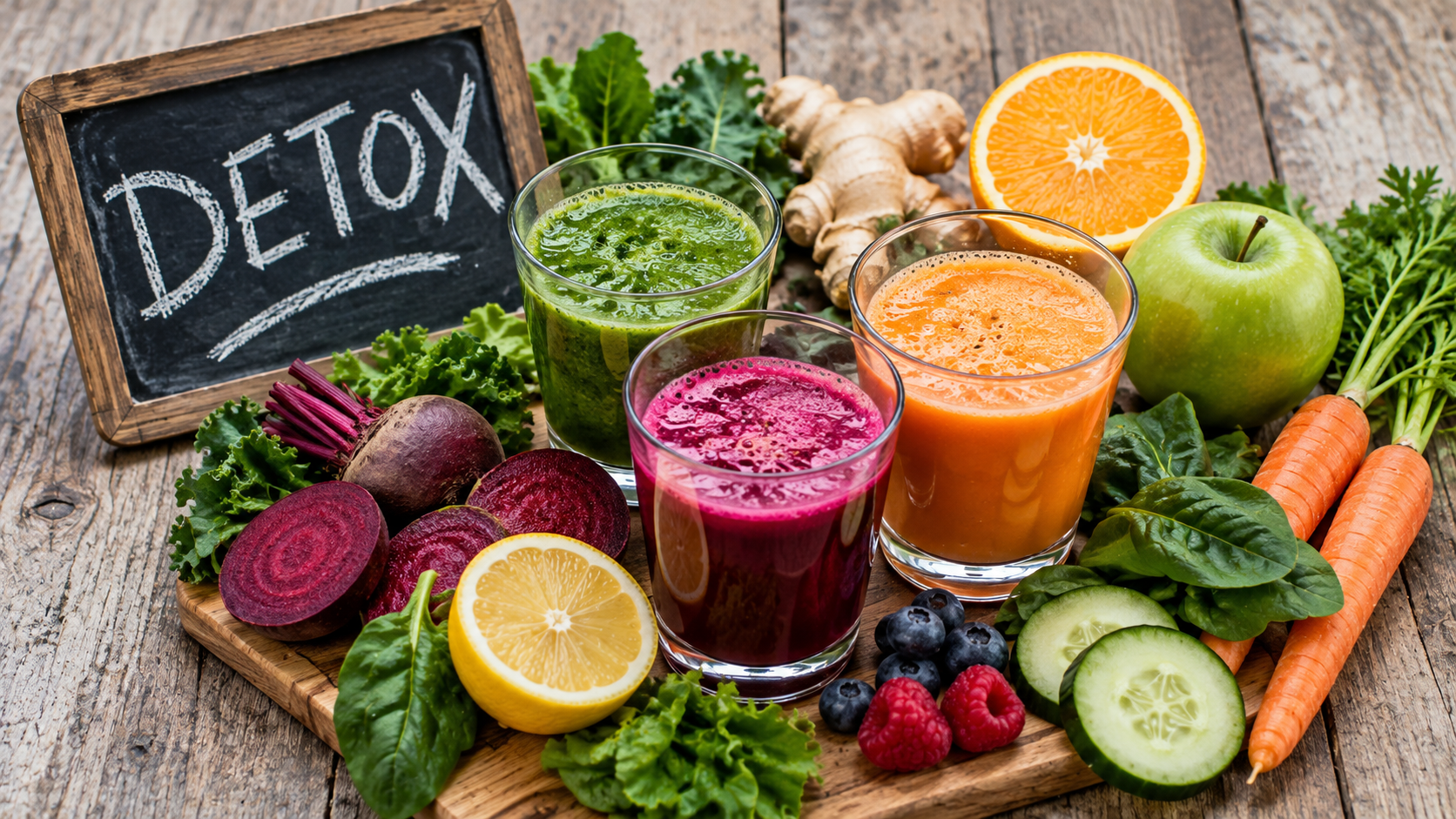
Part 1 of Our Healthy Detox Series
Most of us spend very little time thinking about everything our bodies encounter in the course of an ordinary day. We wake up, shower, brush our teeth, breathe the air around us, drink water or coffee, eat our meals, drive to work, clean our homes, take medications or supplements, and go about our lives. Our bodies are constantly interacting with the world around us, yet we rarely stop to think about just how much work is taking place behind the scenes.
As I've gotten older, I've become much more interested in that question. Not because I think we should be afraid of our environment or become obsessed with avoiding everything that might be unhealthy, but because I believe awareness is an important part of taking better care of ourselves. The more we understand about what we're putting into our bodies and what we're exposed to every day, the more intentional we can become about the things we actually have the ability to control.
We Live in a Very Different World
Think about how much our lifestyles have changed over the last several generations. The way our food is grown, produced, processed, packaged and transported has changed tremendously. We have access to an incredible variety of food throughout the entire year, regardless of season. Modern agriculture and food production have accomplished remarkable things, but convenience has also changed the way many of us eat.
Walk through almost any grocery store and you'll see entire aisles filled with foods that didn't exist in our grandparents' kitchens. Many are highly processed and designed to be convenient, inexpensive and extremely appealing to our taste buds. They're easy to grab, easy to eat and easy to make a regular part of our diets.
The problem isn't that eating something processed once in a while suddenly makes us unhealthy. Health doesn't work that way. The bigger question is what our overall eating pattern looks like month after month and year after year.
Are we regularly giving our bodies vegetables, fruits, quality sources of protein, healthy fats and fiber-rich foods? Are we drinking enough water? Or has convenience gradually replaced nutrition without us even realizing it?
Those are much more useful questions.
Our Food Supply Has Changed
There's another part of this conversation that I find fascinating. Researchers have looked at how the nutritional composition of some fruits and vegetables has changed over time. The results aren't as dramatic or simple as some claims you may have seen online, but there is evidence that the amounts of certain nutrients in some crops have declined over the decades.
There are many possible reasons for this, including changes in crop varieties and agricultural practices. Modern farming has understandably placed a tremendous emphasis on producing enough food efficiently, improving yields, creating crops that transport well and providing consumers with the foods they want throughout the year.
That doesn't mean today's fruits and vegetables aren't nutritious. They absolutely are, and eating a wide variety of produce remains one of the best things we can do for our health.
What it does remind us is that nutrient quality matters.
Rather than becoming worried about whether an apple today is exactly the same as an apple our grandparents ate, I think the more practical response is to make nutrition a priority. Eat a variety of foods. Include different colors of fruits and vegetables. Choose whole foods more often. Pay attention to the quality of what you're eating rather than simply counting calories.
Our bodies can only work with what we give them.
What About the Meat We Eat?
The same kind of thoughtful approach applies to meat.
There is so much conflicting information about food today that it's easy to become confused. One person tells us never to eat meat. Someone else tells us to eat almost nothing but meat. Neither extreme is particularly helpful for most people.
Meat can provide valuable nutrients, including protein, iron and vitamin B12. Protein becomes especially important as we get older because maintaining muscle is such an important part of staying strong, mobile and independent.
Instead of becoming fearful of an entire category of food, I think it makes more sense to become an informed consumer. Consider the quality and variety of the foods you're eating, how they're prepared, appropriate portions, and what the rest of your diet looks like.
The same principle applies throughout our food choices. We don't need perfection. We need better patterns.
The Water We Drink Matters Too
Water is something else most of us take for granted. We turn on a faucet and expect clean water to come out, and in many communities we are fortunate to have sophisticated systems designed to make that happen.
At the same time, water quality can vary depending upon where we live and where our water comes from. Municipal water systems, private wells and other sources aren't identical. That's why testing, treatment and local water-quality monitoring exist.
I don't believe the answer is to become afraid of drinking water. In fact, dehydration creates its own problems, and adequate hydration is essential for normal body function.
The better lesson is simply to be aware. Know where your water comes from. Pay attention to local water-quality information. If you have a private well, understand what testing is appropriate. And make drinking adequate water a normal part of taking care of yourself.
Our kidneys rely on water as they perform their normal functions, our digestive system needs adequate fluid, and virtually every system in the body depends upon proper hydration.
Even the Air Around Us Is Part of the Picture
We can choose what goes onto our dinner plate, but we don't get to choose every breath we take.
Air quality can be affected by traffic, industry, smoke, wildfires and other environmental conditions. Inside our homes, air quality can also be influenced by ventilation, cooking, smoke and various household products.
Again, I don't share this to create fear. Our lungs and bodies have remarkable protective mechanisms. We have lived in environments containing dust, smoke, microbes and naturally occurring substances throughout human history.
But our environment is part of our health.
That means sensible choices—such as avoiding tobacco smoke, paying attention to poor-air-quality advisories, using good ventilation and reducing unnecessary exposure to pollutants when possible—can be another part of taking care of ourselves.
Then There Are the Things We Choose to Put Into Our Bodies
There is another category we sometimes forget about because many of these things are such normal parts of modern life.
Alcohol has to be processed by the body. Medications have to be processed. Supplements contain compounds the body has to absorb and metabolize. Even the nutrients in a healthy meal have to be broken down, absorbed, used, stored or eliminated.
This doesn't make these things inherently bad. Medications, for example, can be essential and lifesaving.
The point is that our bodies are working all the time.
Every meal we eat creates work for the digestive system. Nutrients have to be absorbed and transported. Substances have to be metabolized. Waste products have to be removed. Fluid and minerals have to remain in balance.
We don't feel most of this happening.
But it is happening every minute of every day.
Your Body Has an Incredible System for Handling All of This
This is where I think the conversation becomes empowering rather than frightening.
Our bodies aren't helpless.
We have an extraordinary collection of systems designed to process what comes into our bodies, use what we need and eliminate what we don't.
The liver plays a central role in metabolism and in processing many substances. The kidneys continually filter the blood, removing wastes and helping maintain the body's fluid and mineral balance. The digestive system breaks down our food, absorbs nutrients and moves waste toward elimination. Our lungs continually exchange gases with the environment. At the cellular level, the body also has antioxidant systems that help protect our cells from oxidative stress.
All of that is happening without us consciously telling our bodies what to do.
When you stop and think about it, it's remarkable.
The body isn't waiting for us to “detox” it. It is already doing that work.
The question I think we should be asking is whether our everyday lifestyle is helping support those systems or continually making their job more difficult.
This Becomes More Important After 40
When we're younger, many of us don't give any of this much thought. We can stay up too late, eat poorly for a few days, forget to drink enough water and still feel like we can keep going.
Then something begins to change.
As we move through our 40s, 50s, 60s and beyond, we often become much more aware of how our choices affect the way we feel. Recovery may take longer. Maintaining muscle requires more intention. Sleep becomes more valuable. Digestion may change. We begin thinking not simply about how we look today but about how we want to feel ten or twenty years from now.
That's where I think the conversation about health needs to change.
I don't want to spend the second half of my life afraid of getting older. I want to understand what I can do to support my body as it gets older.
There are many things in life we cannot control.
We can't personally control the entire food supply. We can't control every substance in our environment. We can't eliminate every pollutant from the air. We can't turn modern life back into what it was fifty years ago.
But there is still an enormous amount we can control.
We can drink more water. We can eat more whole foods. We can make fruits and vegetables a larger part of our diets. We can eat adequate protein. We can limit highly processed foods. We can move our bodies. We can maintain muscle. We can prioritize sleep. We can limit excessive alcohol. We can avoid smoking. We can pay attention to our digestive health. We can ask questions about the supplements we're taking instead of blindly taking them.
Those decisions may seem small individually, but health is largely built through the accumulation of small decisions.
This Is Where the Conversation About Detox Really Begins
The word “detox” has become associated with quick fixes. Drink this for three days. Take this product. Do this cleanse. Flush everything out and start over.
I think we can have a much better conversation than that.
Our bodies already possess sophisticated systems for processing and eliminating substances they don't need. Supporting those systems isn't about punishing ourselves for what we've eaten or trying to magically erase years of unhealthy choices.
It's about becoming more intentional about how we live.
It's about reducing unnecessary burdens where we reasonably can while giving our bodies the nutrition, hydration, movement, rest and support they need to do the jobs they were designed to do.
That is the kind of “detox” conversation I'm interested in having.
In Part Two, we're going to take a closer look at two of the most important players in this process: the liver and kidneys. We'll talk about what these remarkable organs actually do, what happens when they're not functioning properly, and why taking care of them should be part of our long-term approach to health.
Think of it this way: we pay attention to the filters and systems that keep our homes, cars and equipment running efficiently, yet we rarely stop to appreciate the filtration and processing systems working inside our own bodies every minute of every day.
Understanding those systems is the next step toward understanding how we can better support them.